Table of contents
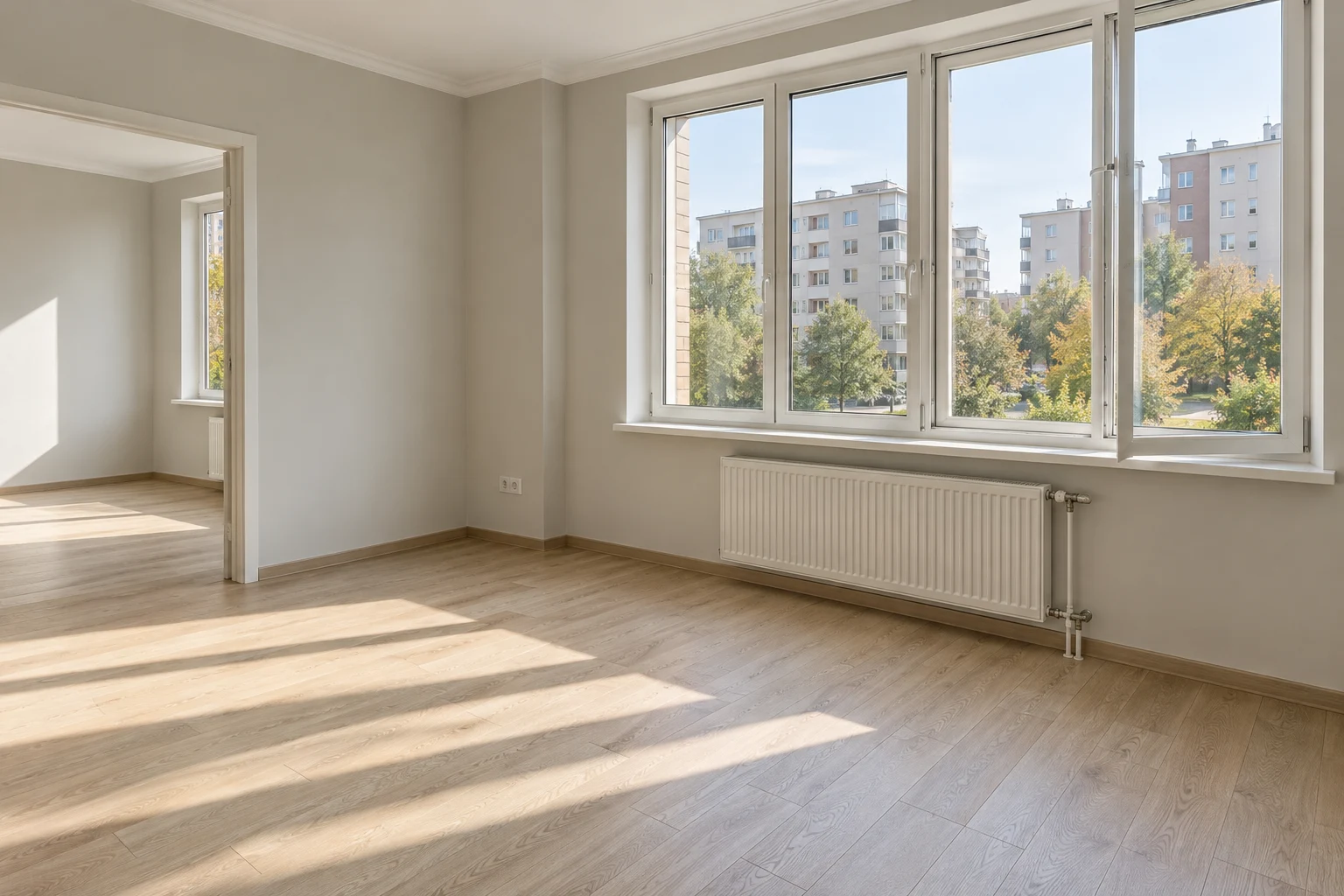
Fresh walls and neat furniture look good in photos. When viewing, the task is different: to understand how the apartment works and what will require money after purchase. For this, it is more useful to follow one clear route than to peek into each room several times.
Take your phone for notes, a tape measure, and a list of questions. Take photos with the owner's permission. It is more convenient to conduct the first viewing in daylight, and for an apartment you like, check the surroundings at your usual time of returning home.
Start with the entrance and yard
As you walk to the apartment, look at the entrance door, lighting, stairs, and the condition of common areas. If there is an elevator, clarify who is responsible for its maintenance and how to report a malfunction. Find out the contacts of the management company and the amount of regular payments for the building.
In the yard, assess the path to the entrance, parking, and unloading areas. Walk to the bus stop or metro station yourself. The phrase "five minutes to the metro" can mean a completely different route: a straight line on the map, through a fence, or along a real pedestrian path.
In the rooms, look at surfaces and joints
Inspect corners, areas under windows, the ceiling, and places around pipes. Stains, swollen finishes, or a musty smell are reasons to ask about leaks and repairs. Fresh paint in one area proves nothing on its own, but it's worth finding out why it was repainted.
Constant dampness cannot be assessed solely as a finishing defect. The WHO Guidelines for Indoor Air Quality: Dampness and Mould emphasize the importance of preventing prolonged moisture and the growth of microorganisms. For the buyer, the practical conclusion is simple: find out the source of moisture and the scope of work before the deal.
For cracks or suspected structural problems, invite a specialist. It is impossible to reliably determine the cause of a crack from a photo and its width without an inspection. It is better to write "needs checking" in your notes than to decide yourself that the defect is cosmetic.
Check windows, water, and available equipment
With the owner's consent, open and close the window sashes. Look at the seals, water marks around the window reveals, and the condition of the windowsill. Stand near a closed window: can you hear street noise in the room where you plan to sleep?
Turn on the taps, check the drains, and look under the sinks. Clarify the availability of hot water and the heating system. If the heating is currently off, ask for information about its operation during the season and maintenance – a short summer viewing will not show this.
Check the appliances that are included in the price in their available normal modes. Leave the inspection of wiring, gas equipment, and internal components to specialists: there is no need to open them during the viewing.
Compare rooms with the plan
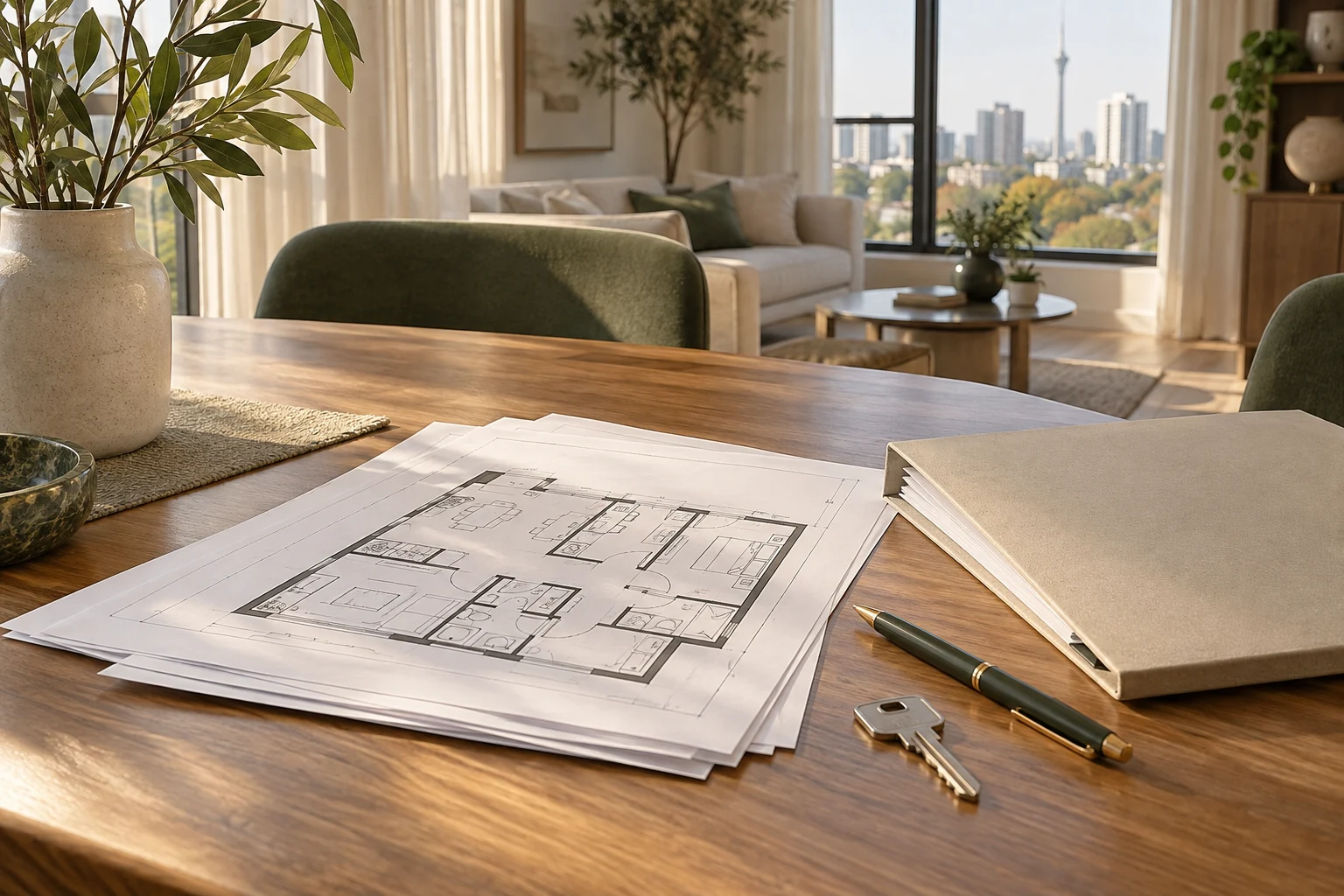
Request cadastral documents and compare them with the actual layout of the premises. An additional room, a relocated kitchen, or combining with a balcony requires a separate explanation. The authenticity of the extract and cadastral passport can be preliminarily checked through the state service; discuss the compliance of changes with documents with a specialist and a notary.
Measure not only the area for the sofa but also the passages, doorways, and space for large appliances. In a comfortable apartment, open doors and cabinets should not block your daily route. Draw your own furniture on the plan before agreeing to keep the seller's furniture.
Ask questions that cannot be answered by a photo
- When were the pipes, electrical wiring, and windows replaced? Are there any documents for the work?
- Were there any leaks and how were their causes eliminated?
- What appliances and furniture remain after the sale?
- What regular payments are associated with the apartment and the building?
- When will the apartment be vacated and the keys handed over?
The answer "everything is new" is useful to clarify: what exactly was replaced, when, and who did the work. The more specific the answers, the easier it is to estimate future expenses.
After viewing, make three lists
The first is what is suitable: layout, location, light, route to work. The second is what will need to be fixed: appliances, finishes, windows, furniture. The third is what has not yet been checked: documents, cause of dampness, condition of structures, seasonal operation of heating.
For the second list, request a preliminary estimate. For the third, schedule an additional inspection. Only after that, compare the apartment with other options in terms of total cost and convenience, not by the impression of the renovation.
Sources: state service for checking cadastral documents; WHO guidelines for dampness and mould. Inspection route and household issues – HATA practical checklist. Verified October 14, 2026. Cover – HATA illustration.